Key Locations
Studio 54

History of Studio 54
Studio 54, located on West 54th Street in Midtown Manhattan, was originally built as the Gallo Opera House by the Italian-American impresario Fortune Gallo. It opened in 1927 to Puccini’s La bohême before being sold three years later in 1930 and renamed the New York Theatre. The Bowery Savings Bank bought the building in 1932 where it was then subsequently leased for various productions, becoming a nightclub named the Casino de Paree briefly from 1933-1935. Afterwards, the building was bought by CBS, operating as a radio and television studio under the name Studio 52.
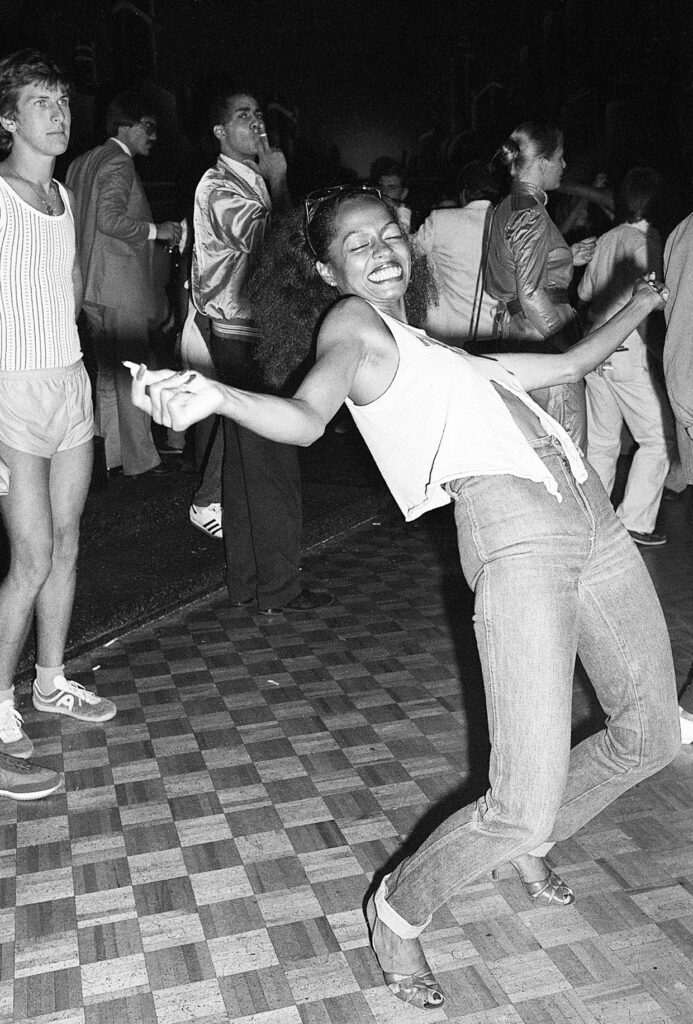
Studio 54 in its heyday
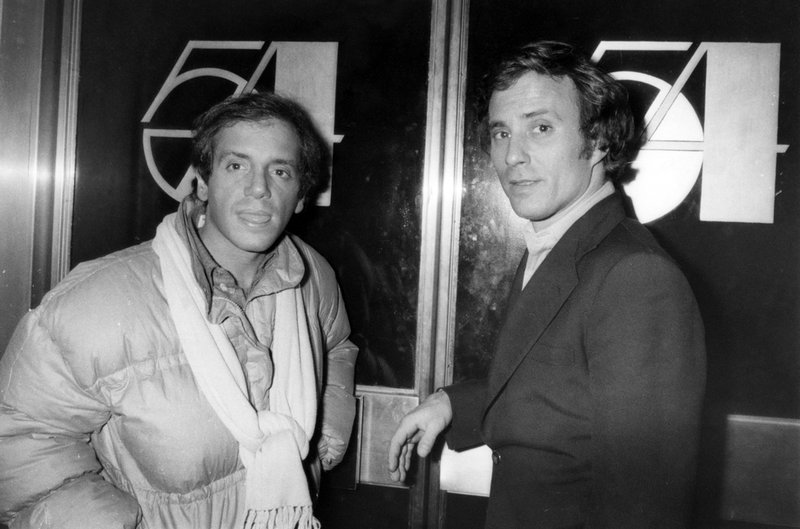
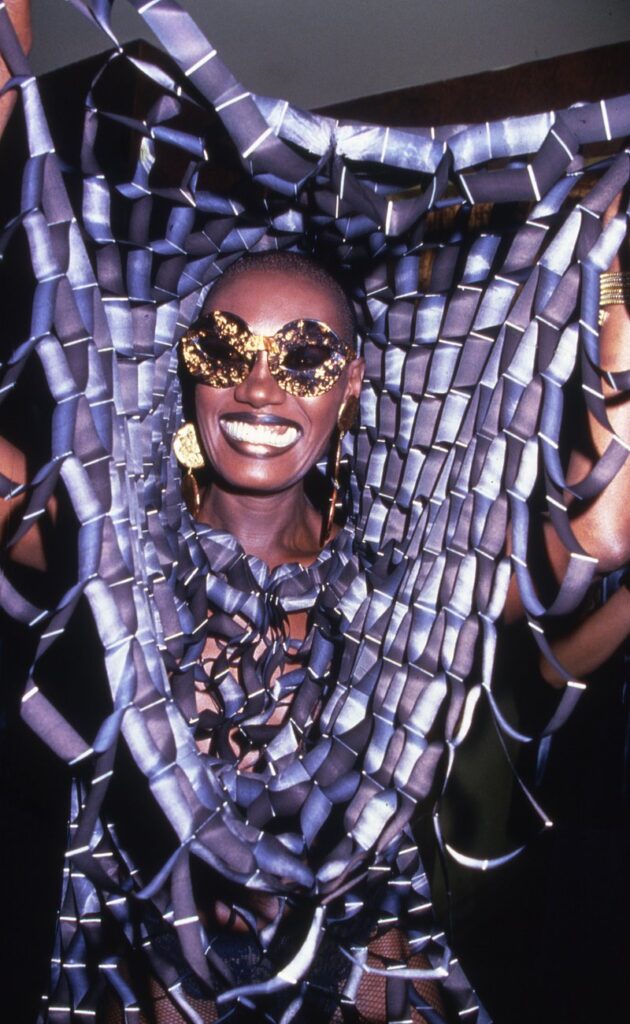
Studio 54 as a nightclub was first conceived of by male model Uva Harden, who partnered with Steve Rubell and Ian Schrager. Studio 54 was established in 1977, and is said to have been conceived “as a white, Hollywood version of Leviticus!” (Cooper). Rubell managed the club as the public face, nicknamed the “Pasha of Disco,” and was known for his flamboyancy and his selectivity towards those trying to enter the club. Disco 54 operated as a nightclub under Rubell and Schrager for only three years, from 1977-1980. In those three years, Studio 54 was known as an over-the-top anything-goes nightclub filled with celebrities, drag queens, drugs, disco, dancing, and even – on one occasion – a horse.
Studio 54 demise and transformation
In 1980 the three years of partying under Rubell and Schrager came to an end, with the eventual selling of the nightclub. Rubell and Schrager would plead guilty to tax evasion in 1979, making it impossible for them to obtain a liquor license. The final party, titled “The End of Modern-day Gomorrah,” featured Diana Ross, Andy Warhol, Richard Gere, Lorna Luft, Reggie Jackson, other celebrities, and a crowd of over 2,000 people.
What Would be Playing in the Club?
Donna Summer
Donna Summer was known to frequent Studio 54 and perform there. Crowned the “Queen of Disco,” her music would make the Hot 100 from the ’70s to the ’90s.
Bee Gees
The Bee Gees formed in 1958 and were wildly popular during the Disco scene throughout the 1970’s. The group consisted of three brothers: Barry, Robin, and Maurice Gibb.
Diverse Discotheques
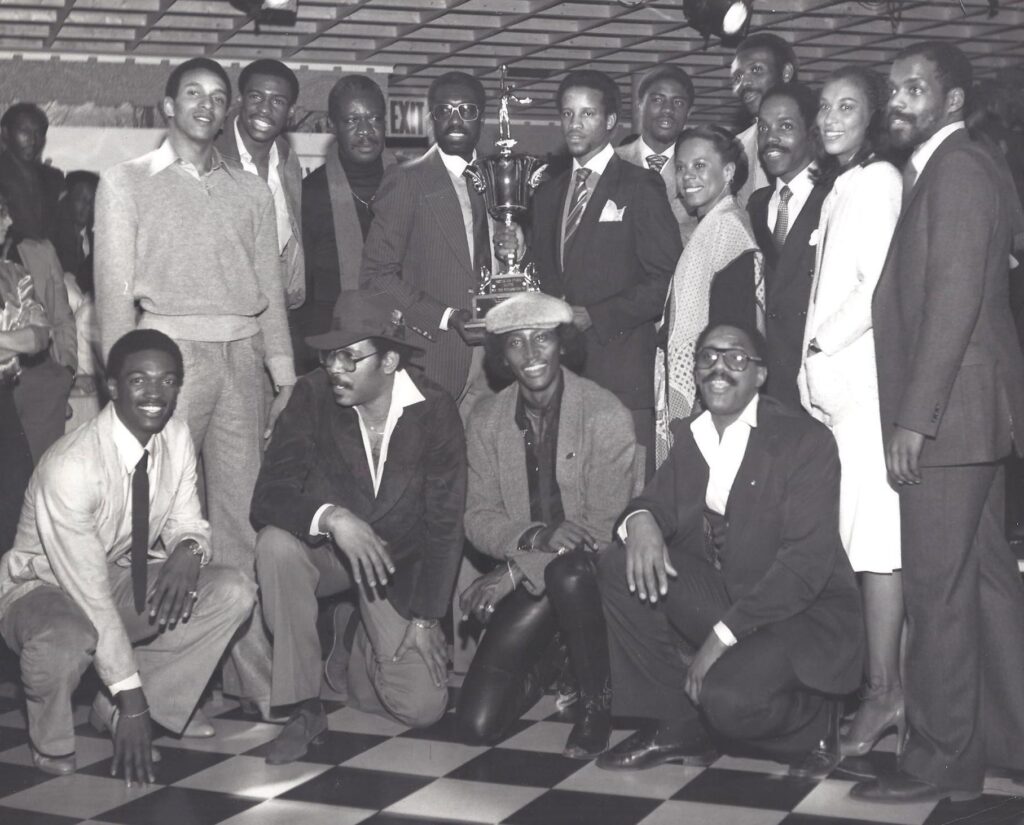
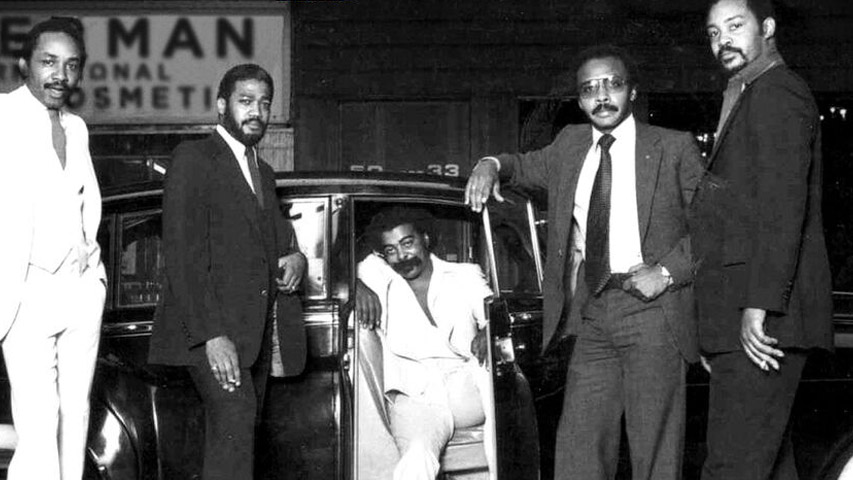
Located in Midtown Manhattan on West 33rd Street, Leviticus was operated and catered to black New Yorkers. Opening in 1974 by The Best of Friends Inc., an enterprise that opened and promoted disco nightclubs across the city, Leviticus attracted a diverse crowd. According to Noel Hankin, one of the eight members of The Best Friends Inc., in an interview with FUVMusic, “Not all African Americans. We had a lot of whites, hispanics, gays, straights everyone came because it was the only club of its type that featured music the way we played it.”