Primary Audience

Who Made Up The Disco Demographic? 


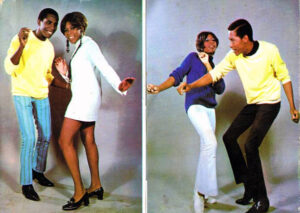
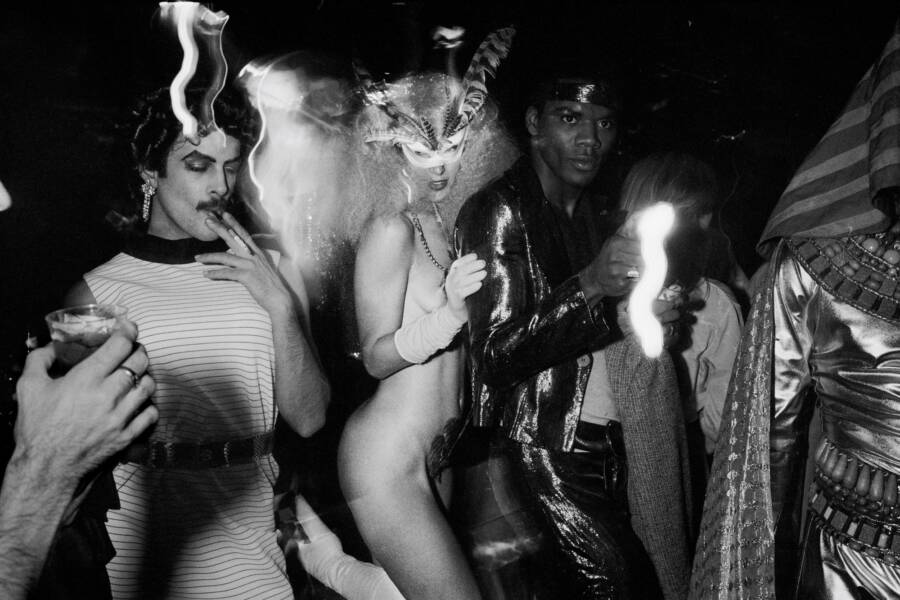
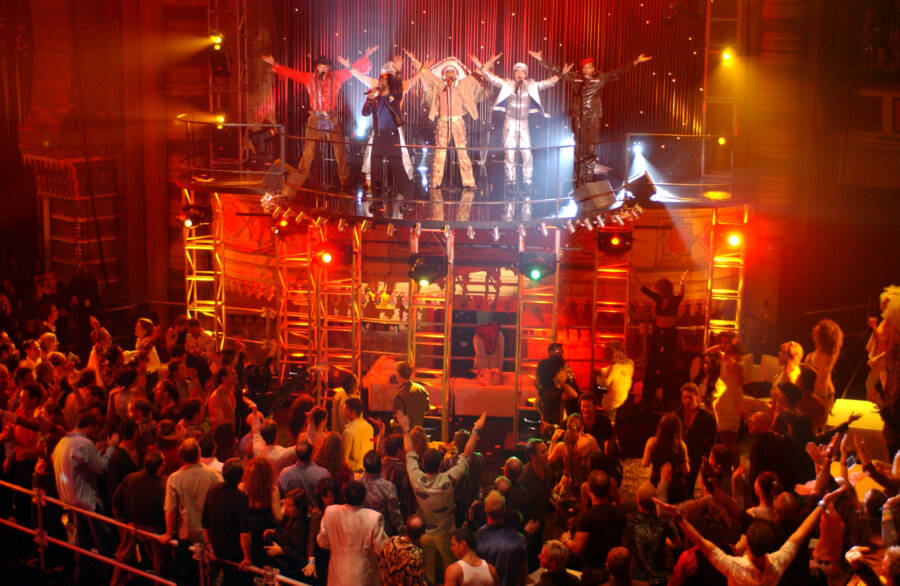
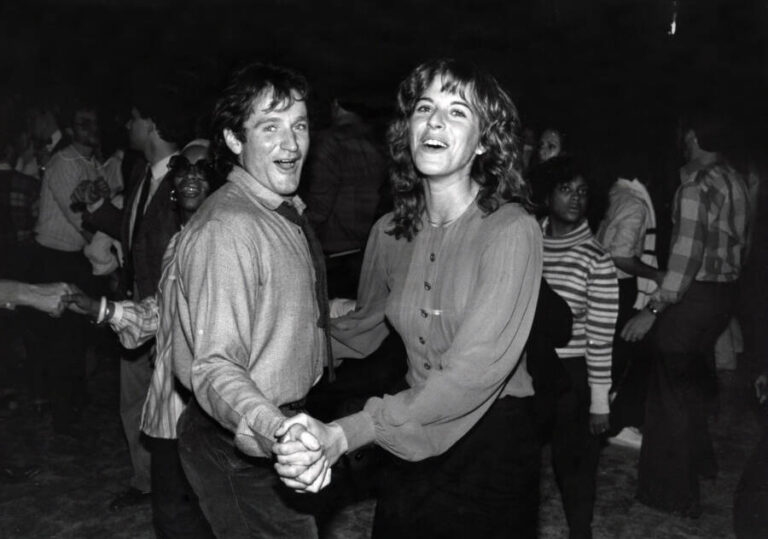
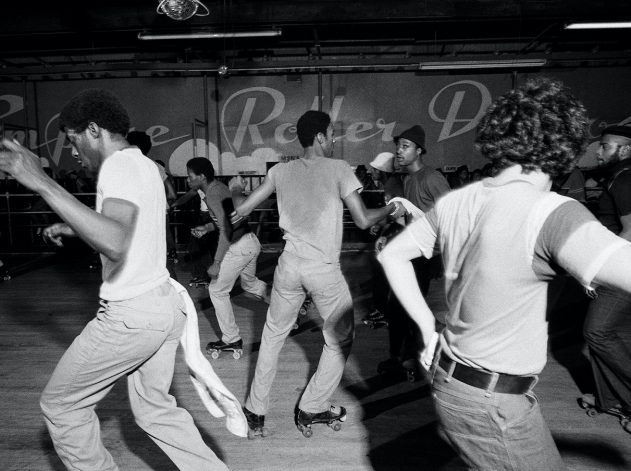
When you hear the word “disco,” you probably think of dancers with wild hair styles and colorful outfits doing The YMCA. Maybe, if you are more well-informed about the disco era, you picture a sweaty crowd, collectively high on drugs, dancing in a cramped venue. But in its beginnings, disco emphasized community more than nightlife culture. It connected people, regardless of status or money.

More information about the birth of disco can be found on our Disco’s Origins page.
The Late '60s

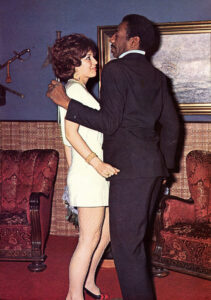
As tensions from the Vietnam war raged and hard times came upon everyone, New Yorkers began to seek a break from reality (Sierra). However, racism still ran rampant. Dancing with the same gender, let alone same-sex marriage, was illegal as well. This kept minorities from engaging in the same spaces as their white, heterosexual counterparts. 

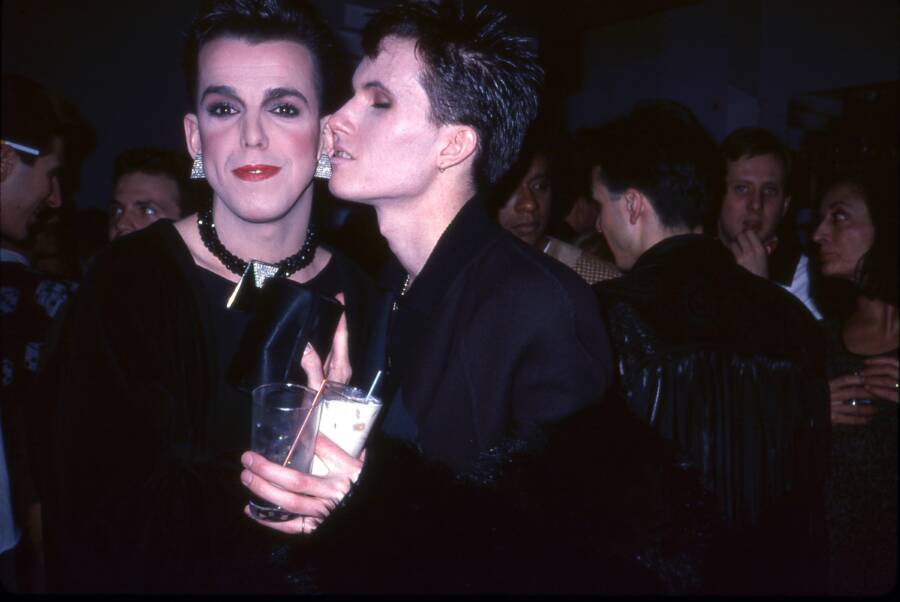
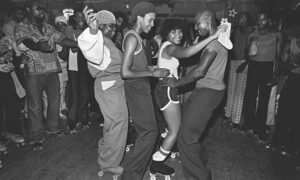
This led to a demand for secret, safe spaces for queer and people of color to unwind without the weight of discrimination or legal troubles. This birthed the origins of disco, in which attendees met for the same reason – to catch a break from a world pinned against them. Audiences varied by location, since some primarily catered to groups of their choice, but often consisted of lesbians, gay men, and African Americans. More information about key venues can be found on our Key Locations page.

The '70s

After a few years, disco had made its way out of the underground.

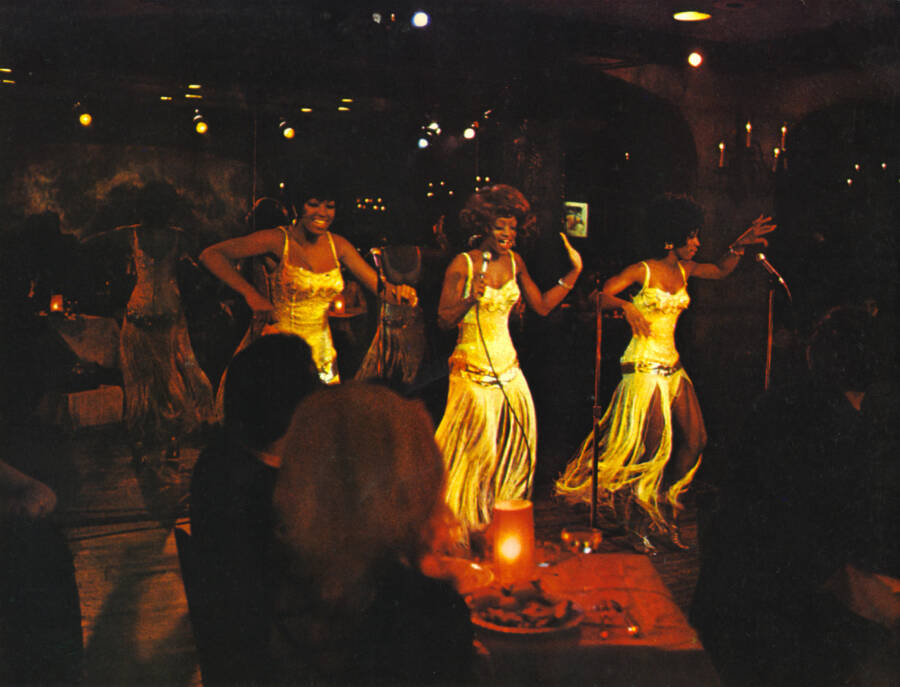
By 1971, it became legal to dance with the same sex in New York City, laying the foundation for LGBTQ+ communities across the country. Headlining musicians and dancers were primarily African American and Hispanic (Maultsby). Find more about disco’s headliners on our Key Figures page.

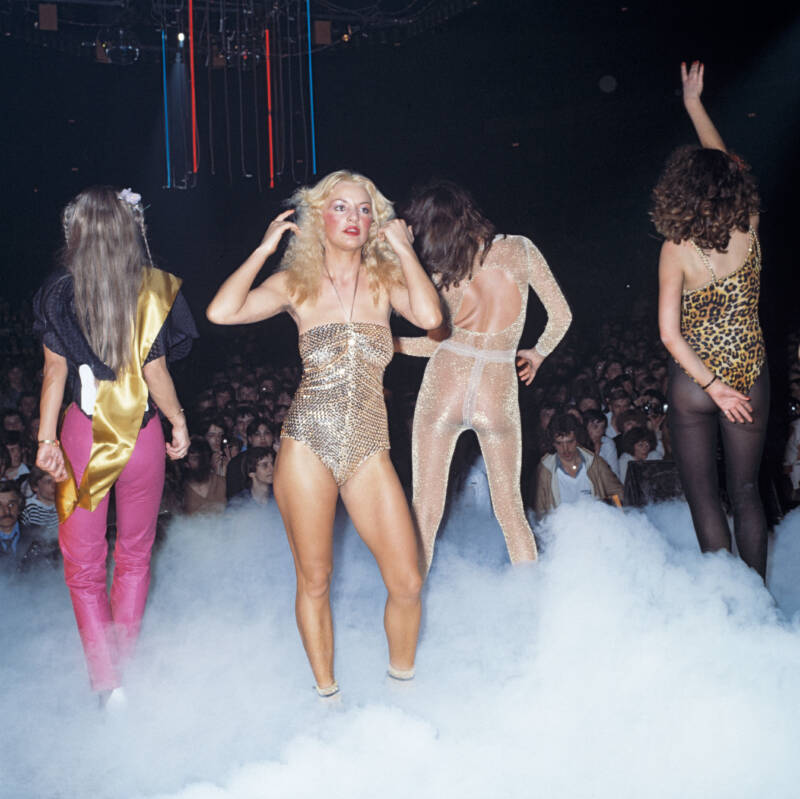
The release of Saturday Night Fever in 1978 attracted a massive white audience. Disco evolved from a “ghetto subculture” to a respectable, yet fun genre. Influential music labels began to mimic the “disco sound” and large fashion companies retailed clothing meant for discotheques. However, with the sudden oversaturation of the disco genre, disco’s black and queer roots had been erased. Disco – or, at least its new whitewashed brand – was now officially the genre of the decade.  

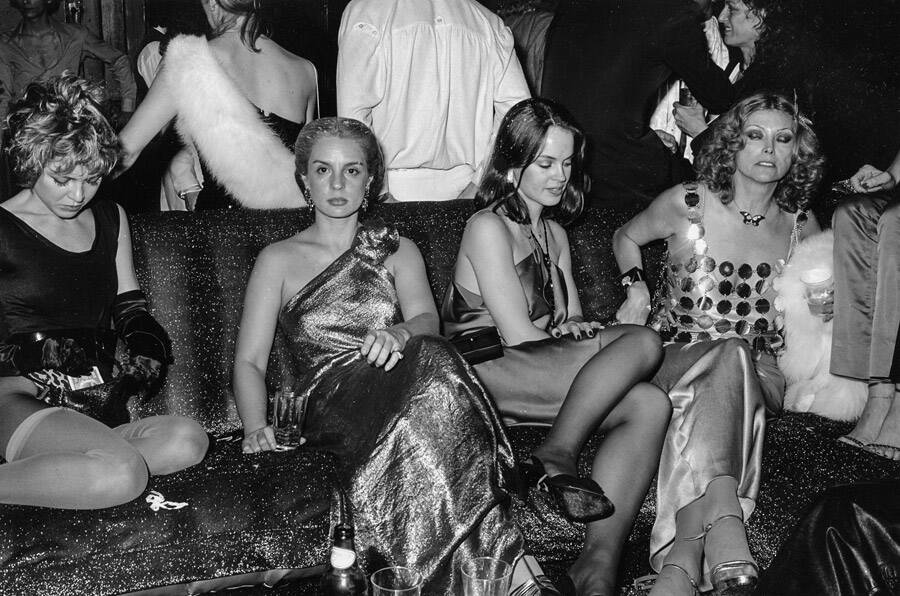
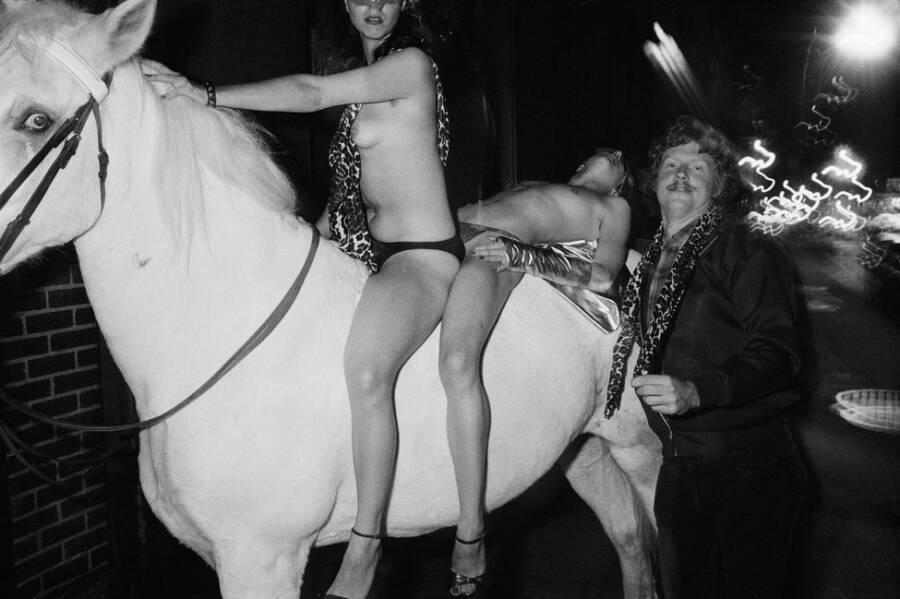
By 1979, disco was far estranged from what it was in the ’60s. Attendees dressed in extravagant clothing, some fully nude, and were often high on numerous substances. On the bright side, sexuality was no perceived as a taboo. Women were no longer expected to completley cover themselves. Gay relationships were tolerated in informal settings, but still illegal outside of the discotheques. 

The Early '80s - "The Death of Disco"

Black and queer people still fought for representation in the disco. Black voices became the blueprint for “lead” tracks in disco, and gay fashion became a hot commodity. 

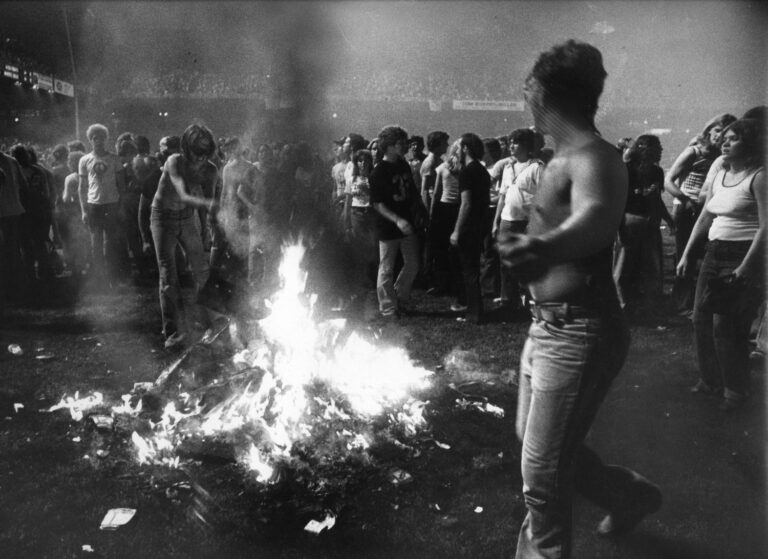
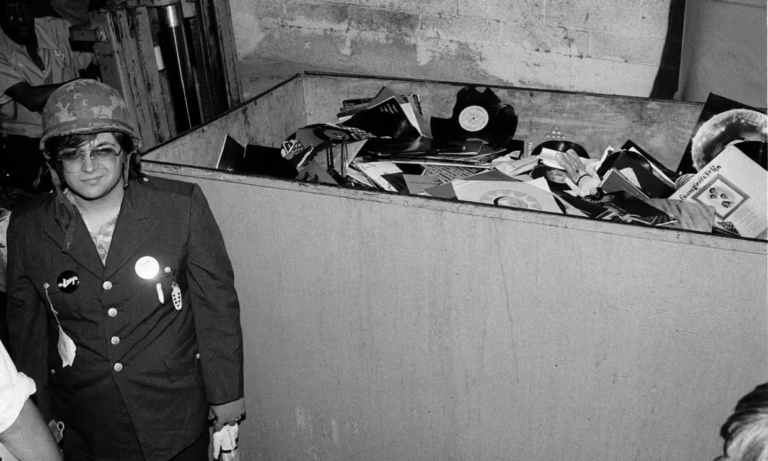
However, underlying bigotry in the disco audience led to a sudden rejection of the minorities in disco. It became a concern that white voices were going to be overshadowed by black artists. Others worried that heterosexual artists, in both fashion and music, would lose their spotlight. These concerns were eventually showcased during an event called the “disco demolition.” Protestors stormed onto a baseball field and burned disco vinyls. The event ended in 39 arrests and numerous injuries. 

And, according to many primary sources, disco died that night as well. 

Skip to toolbar