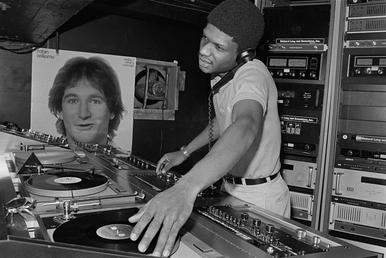
When thinking about Disco, many people would probably not associate it with a single individual, as disco is a genre of music and has evolved due to the aspirations and hard work of many different talented people. However, there are still some key figures in disco from the 70s that contributed extraordinary efforts to the scene. Below, we have gathered several different figures who did exactly that.
Based off the evidence provided by the article “Disco Madness: Walter Gibbons and the Legacy of Turntablism and Remixology” by Tim Lawrence, a major figure in the world of disco was Walter Gibbons, a record producer and early DJ at the time. His influence on early disco was great, specifically how he brought hip-hop and house into it. Lawrence goes over how Gibbons figured out a method to remix rather than just record (called “remixology”) by using two copies of the same disc to lengthen the breaks in percussion and alter the music. Lawrence then goes on to talk about how this “remixology” that Gibbons developed led to the creation of the first commercially available 12-inch remix called “Ten Percent.” This new way of looking at disco that Gibbons developed ultimately led to him being described as an “architect” of modern DJ culture who led to the popularity of remixing. In the end, Walter Gibbons will be regarding as one of the most influential individuals in the scene of disco in the 70s, alongside others (which we will get into now!).
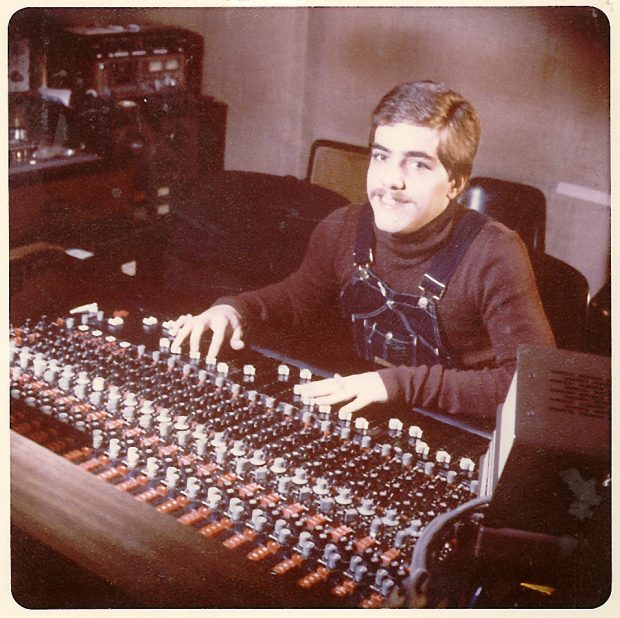
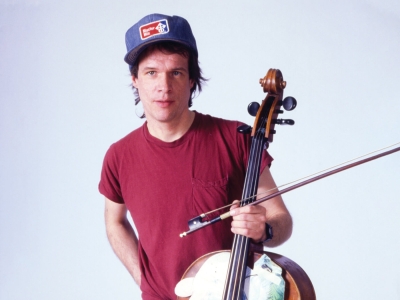
Another article by Tim Lawrence named “Connecting with the Cosmic: Arthur Russell, Rhizomatic Musicianship, and the Downtown Music Scene, 1973-92,” goes over a second individual by the name of Arthur Russell (a cellist and composer) who approached both disco, folk, and avant-garde scenes with his unique “rhizomatic” way. Lawrence explains how Russell often departed from the traditional music culture in New York and often viewed all genres (like disco) as a whole rather than separate genres. With his work in the “Downtown” scene and collabs, Russell would show off the diversity of social life in the disco (and other musical) scenes. Lawrence, in the end, states how Russell’s decision to not be tied down to one medium led to his work being recognized all over. And now, Russel (alongside people like Walter Gibbons) is regarded as one of those individuals who brought disco mainstream.
One final article that discusses an individual who played an important part in building the disco scene in the 70s is “‘He Was like the Messiah’: Larry Levan, the DJ Who Changed Dance Music Forever” by The Guardian. The article originates from several interviews conducted by Sam Richards, who focuses on how Larry Levan, a prominent DJ at the time, elevated the genre and status of a DJ to a spiritual one. Richards mentions how Levan made his own, unique sound system that used multiple different formats (like rock and soul) to give his audience a more spiritual feeling. Levan was focused on perfectionism, and he used that to influence the atmosphere and vibe of the scene, such as his infamous “Garage sound” that inevitably led to house music. Richards final comment shows how Levan led to the dance floor being treated as a sacred and spiritual space rather than just a place people go to for disco. In the end, Levan, just like Gibbons and Russel, is one of the main key figures who brought disco to life in the 70s.